The Emergence of Autonomous AI Systems in Business
Artificial intelligence is entering a new phase of enterprise adoption. After years of experimentation with analytics tools and generative AI assistants, companies are beginning to deploy a new class of systems known as AI agents. These systems go beyond answering questions or generating content. They are designed to plan tasks, execute workflows, and interact with software systems in order to complete complex objectives.
This development marks a significant shift in how organizations think about automation. Traditional software tools require users to initiate actions and manually coordinate processes across multiple systems. AI agents operate differently. They can interpret high level goals, determine the steps required to achieve those goals, and then carry out the necessary actions across digital environments.
As a result, enterprises are beginning to deploy AI agents across departments ranging from customer service to IT operations and supply chain management. Analysts now expect a rapid expansion of this technology. According to forecasts, roughly 40 percent of enterprise applications could include task specific AI agents by 2026, up from less than five percent just a year earlier.
Leading Technology Companies Are Accelerating the AI Agent Ecosystem
The rapid emergence of AI agents has been driven largely by major technology platforms that are embedding these capabilities into enterprise software environments.
One prominent example is Microsoft, which has introduced AI agent capabilities through its Copilot ecosystem. These systems allow businesses to automate internal workflows, generate reports, and coordinate tasks across platforms such as Microsoft 365 and Dynamics. Platforms like Copilot Studio allow organizations to design agents that handle employee support requests, process documents, and automate operational workflows.
Similarly, Salesforce has launched Agentforce, a platform designed to create autonomous agents embedded directly within its customer relationship management software. These agents can respond to customer inquiries, qualify sales leads, and support marketing campaigns while interacting with real time data from enterprise systems.
Another example comes from the telecommunications sector. Lumen Technologies has begun deploying AI agents to support network operations and data migration projects. The initiative includes the use of autonomous systems that help generate digital models of infrastructure and streamline complex data management processes across legacy systems.
These deployments demonstrate that AI agents are moving quickly from theoretical concept to practical business tool. Organizations are increasingly experimenting with agents that can operate across enterprise software environments to coordinate tasks that previously required multiple human operators.
AI Agents Are Expanding the Scope of Enterprise Automation
The introduction of AI agents is expanding the definition of automation inside modern organizations. Earlier generations of automation technology focused primarily on repetitive tasks such as data entry or simple workflow triggers. AI agents are capable of performing more complex activities because they combine reasoning capabilities with access to enterprise systems.
In customer service environments, AI agents can monitor incoming inquiries, analyze customer context, and determine the appropriate response without human intervention. In finance departments, agents can review financial data, flag anomalies, and generate reports that support strategic decision making. In IT environments, agents can monitor infrastructure performance and initiate corrective actions when systems show signs of instability.
This level of automation has the potential to reshape how organizations coordinate work. Instead of relying solely on manual oversight, companies can deploy intelligent systems that continuously monitor operations and execute tasks when conditions require it.
Research indicates that early deployments of agent based AI systems are already producing measurable productivity gains for organizations that integrate them into operational workflows.
The Infrastructure Supporting the Rise of AI Agents
The growth of AI agents is closely tied to the expansion of enterprise cloud platforms and large language model technologies. These systems provide the computational infrastructure required for AI agents to interpret information, plan actions, and interact with digital environments.
Technology companies are investing heavily in this ecosystem. NVIDIA, for example, is developing new platforms designed specifically to support enterprise AI agents. These platforms are intended to help organizations deploy autonomous systems capable of executing tasks across complex business environments.
At the same time, enterprise software platforms are integrating agent capabilities directly into business tools. AI powered systems can now connect to communication platforms, data systems, and operational software to coordinate workflows in real time. These integrations allow AI agents to move beyond isolated chat interfaces and become active participants in business operations.
Operational Challenges Still Limit Enterprise Adoption
Despite the excitement surrounding AI agents, many organizations are still in the early stages of adoption. Integrating autonomous systems into enterprise workflows introduces new challenges related to governance, security, and operational alignment.
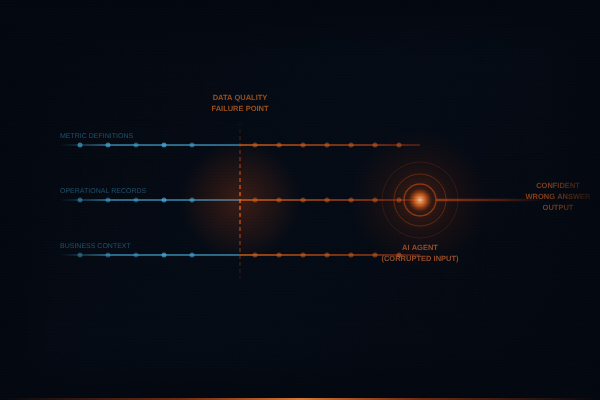
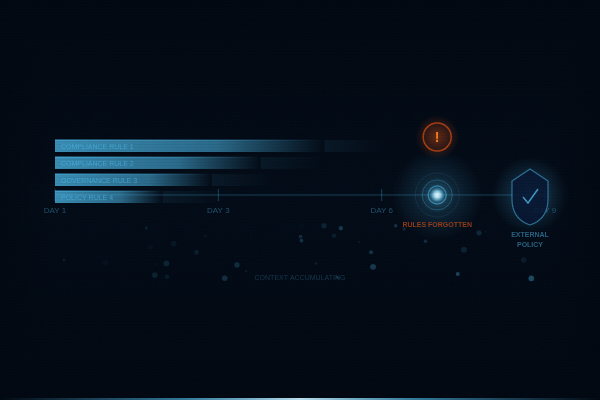
AI agents require access to large volumes of organizational data in order to operate effectively. Ensuring that these systems interact with data securely while maintaining compliance with regulatory frameworks is a significant challenge for many organizations. Security researchers have also emphasized the need for robust testing and monitoring frameworks to ensure that autonomous agents behave predictably in complex environments.
Another challenge involves operational alignment. AI agents are most effective when integrated into clearly defined workflows. Organizations that attempt to deploy these systems without a structured strategy often struggle to identify where agents can provide the most value.
These challenges illustrate a broader reality about enterprise AI adoption. Advanced technology alone does not transform organizations. The real impact occurs when businesses align new capabilities with operational strategy and governance frameworks.
The Growing Role of Consulting Firms in AI Agent Implementation
As companies explore the potential of AI agents, consulting firms are playing an increasingly important role in helping organizations navigate the transition. Implementing autonomous AI systems requires careful planning that extends beyond software deployment.
Consulting teams help organizations identify operational bottlenecks where AI agents can improve efficiency and productivity. This often involves mapping existing workflows, evaluating data infrastructure, and determining how intelligent systems should interact with enterprise platforms.
Consultants also assist companies in building governance frameworks that ensure AI agents operate responsibly. This includes establishing oversight mechanisms, defining performance metrics, and implementing safeguards that reduce operational risk.
By aligning AI agent deployment with broader business objectives, consulting firms help organizations transform experimental technologies into practical operational tools.
How KAIDATA Consulting Helps Organizations Deploy AI Agents Strategically
At KAIDATA Consulting, we work with organizations that are exploring how artificial intelligence can enhance operational performance. Our approach focuses on helping leadership teams identify where AI agents can create measurable business value across their operations.
Through operational analysis and data strategy evaluation, we help companies determine where autonomous systems can streamline workflows, improve decision making, and support long term growth objectives. This process ensures that AI initiatives move beyond experimentation and become integrated components of enterprise strategy.
As artificial intelligence continues to evolve, AI agents are likely to play an increasingly important role in enterprise operations. Organizations that adopt these technologies strategically will gain new capabilities that allow them to operate with greater efficiency and responsiveness.
For business leaders evaluating the next phase of AI adoption, the key question is not whether AI agents will influence enterprise operations. The question is how organizations will integrate these systems into their operational strategy to capture the full benefits of intelligent automation.