The Logistics Industry Is Entering a New Growth Cycle
The logistics and supply chain sector has entered a period of accelerated expansion as global commerce continues to grow and distribution networks become more complex. Over the past several months, demand for faster delivery, improved inventory visibility, and resilient global supply chains has pushed organizations to modernize how goods move through their operations. Companies are investing heavily in new systems that allow them to respond to market changes with greater speed and precision.
Artificial intelligence is now one of the most influential technologies supporting this shift. While supply chain management has always relied on large volumes of operational data, the ability to analyze that information continuously and act on it in real time is a relatively new capability. Machine learning systems allow logistics companies to interpret demand signals, transportation patterns, and warehouse performance data in ways that were previously difficult to achieve. As a result, organizations can make operational adjustments before bottlenecks begin to disrupt the flow of goods.
This shift toward intelligent logistics systems has helped fuel growth across the sector. Companies that successfully integrate AI into supply chain planning are finding new ways to increase efficiency, reduce costs, and scale operations while maintaining reliability.
How Artificial Intelligence Is Transforming Supply Chain Operations
Artificial intelligence has introduced a new level of visibility into supply chain decision making. Machine learning models allow companies to process enormous volumes of operational data and identify patterns that would otherwise remain hidden. This capability has changed how organizations approach demand forecasting, inventory placement, and transportation planning.
Companies such as Amazon have demonstrated how predictive analytics can transform fulfillment networks. Their systems analyze purchasing behavior, geographic demand patterns, and seasonal market signals to determine where inventory should be positioned across distribution centers. This approach allows products to be placed closer to customers before orders are even placed, which significantly reduces shipping times and transportation costs.
Major logistics providers including DHL and UPS are applying similar models to improve delivery network efficiency. Artificial intelligence helps these organizations predict demand surges, adjust fleet allocation, and optimize delivery routes in response to changing traffic conditions and weather patterns.
These capabilities create supply chains that operate proactively rather than reactively. Instead of responding to disruptions after they occur, companies can identify operational stress points early and adjust logistics planning before delays begin to compound.
AI-Powered Warehouses and Intelligent Fulfillment Networks
Warehouse operations represent another area where artificial intelligence has accelerated industry growth. Distribution centers handle enormous volumes of inventory and require precise coordination between inventory management, picking systems, and outbound transportation.
Robotics and computer vision technologies guided by machine learning have allowed warehouses to operate with greater efficiency and accuracy. Automated systems can identify products, track movement throughout facilities, and support faster order fulfillment. These technologies reduce manual tasks while improving inventory accuracy and throughput.
Companies operating large fulfillment networks rely on these systems to maintain performance as order volume grows. The combination of robotics, machine learning, and predictive analytics enables warehouses to scale operations without increasing complexity at the same rate as demand.
This level of automation has become essential as e commerce continues to expand. Consumers expect rapid delivery and accurate order tracking. Intelligent warehouse systems make it possible to meet those expectations while maintaining operational efficiency.
The Technology Ecosystem Enabling AI in Logistics
The rapid adoption of artificial intelligence within supply chains has also been supported by advances in cloud computing infrastructure. Logistics companies now have access to scalable computing environments that allow them to train machine learning models and process operational data across global networks.
Platforms such as Microsoft Azure and Amazon Web Services provide the infrastructure required to integrate data from warehouses, transportation fleets, and supplier systems into unified analytics platforms. These environments allow companies to develop predictive models that guide logistics planning across multiple regions.
Shipping providers such as Maersk are also investing in predictive analytics systems that help coordinate maritime shipping schedules and port operations. By analyzing shipping traffic, weather conditions, and port capacity data, these models help improve fleet utilization while reducing delays.
The result is a supply chain environment that is increasingly connected and data driven. Organizations can now monitor operations across multiple points in their logistics network while making adjustments based on real time information.
The Operational Bottlenecks Many Companies Still Face
Despite these advancements, many logistics organizations continue to encounter operational barriers as they adopt artificial intelligence. Technology alone does not resolve underlying inefficiencies within complex supply chains.
Legacy software systems often prevent companies from integrating new analytics platforms with existing operational tools. Data may be stored across separate systems that do not communicate effectively with one another. These limitations make it difficult for organizations to develop the unified data environments required for advanced machine learning.
Workforce processes can also slow adoption. Supply chain teams that have operated under traditional workflows may require new training and operational frameworks to effectively integrate predictive systems and automation technologies. Without organizational alignment, AI initiatives often remain isolated within pilot programs rather than delivering measurable improvements across the enterprise.
These challenges illustrate an important point about digital transformation within logistics. Artificial intelligence provides powerful tools, but meaningful improvement requires careful alignment between technology adoption and operational strategy.
The Growing Role of Consulting Firms in Logistics Modernization
Consulting firms have become increasingly important partners as logistics organizations modernize their operations. Modern supply chains span procurement, manufacturing, transportation, and distribution networks. Identifying inefficiencies across these interconnected systems requires both technical expertise and operational insight.
Consulting teams help companies evaluate how information flows through their supply chain systems and where operational bottlenecks begin to form. Through data analysis and operational mapping, consultants can identify inefficiencies related to inventory allocation, warehouse throughput, and transportation planning. Once these constraints are understood, organizations can implement targeted technology solutions that address the most impactful areas of the supply chain.
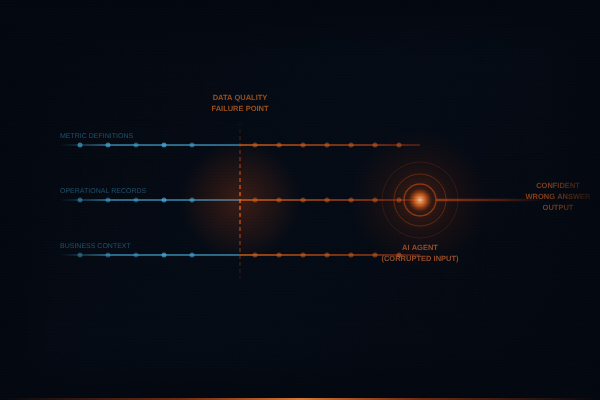
Consulting partners also play an important role in building governance frameworks that support artificial intelligence adoption. Machine learning systems require high quality data, consistent performance metrics, and clear accountability structures. Establishing these foundations ensures that AI initiatives produce measurable operational outcomes rather than remaining experimental technology deployments.
How KAIDATA Consulting Supports AI-Driven Supply Chain Transformation
At KAIDATA Consulting, we work with organizations that are navigating the transition toward intelligent supply chain operations. Our focus is on helping leadership teams identify operational bottlenecks and align artificial intelligence capabilities with enterprise strategy.
Through data analysis and operational assessment, we help companies determine where AI technologies can deliver the greatest impact across logistics networks. This includes evaluating supply chain readiness, improving data infrastructure, and implementing analytics systems that support predictive decision making.
By aligning operational processes with advanced analytics capabilities, organizations can move beyond isolated experiments and build supply chain systems that scale efficiently as demand grows.
The Future of AI in Logistics and Supply Chain Management
The logistics industry will continue to evolve as global commerce expands and customer expectations for speed and reliability increase. Artificial intelligence has become one of the most important enablers of this transformation because it allows organizations to convert operational data into actionable insight.
Companies that successfully integrate AI into their supply chain strategy are building networks that can anticipate demand shifts, optimize transportation resources, and maintain resilience across complex global markets.
For business leaders operating within logistics and supply chain management, the strategic challenge is no longer whether artificial intelligence will influence operations. The question is how effectively organizations can integrate AI into the core of their operational decision making. Those that align technology adoption with disciplined strategy will be positioned to capture the next phase of growth in one of the most essential sectors of the global economy.